


kidney and kidney dialysis
Professional Dialysis Center Development & Operations – Asia Region
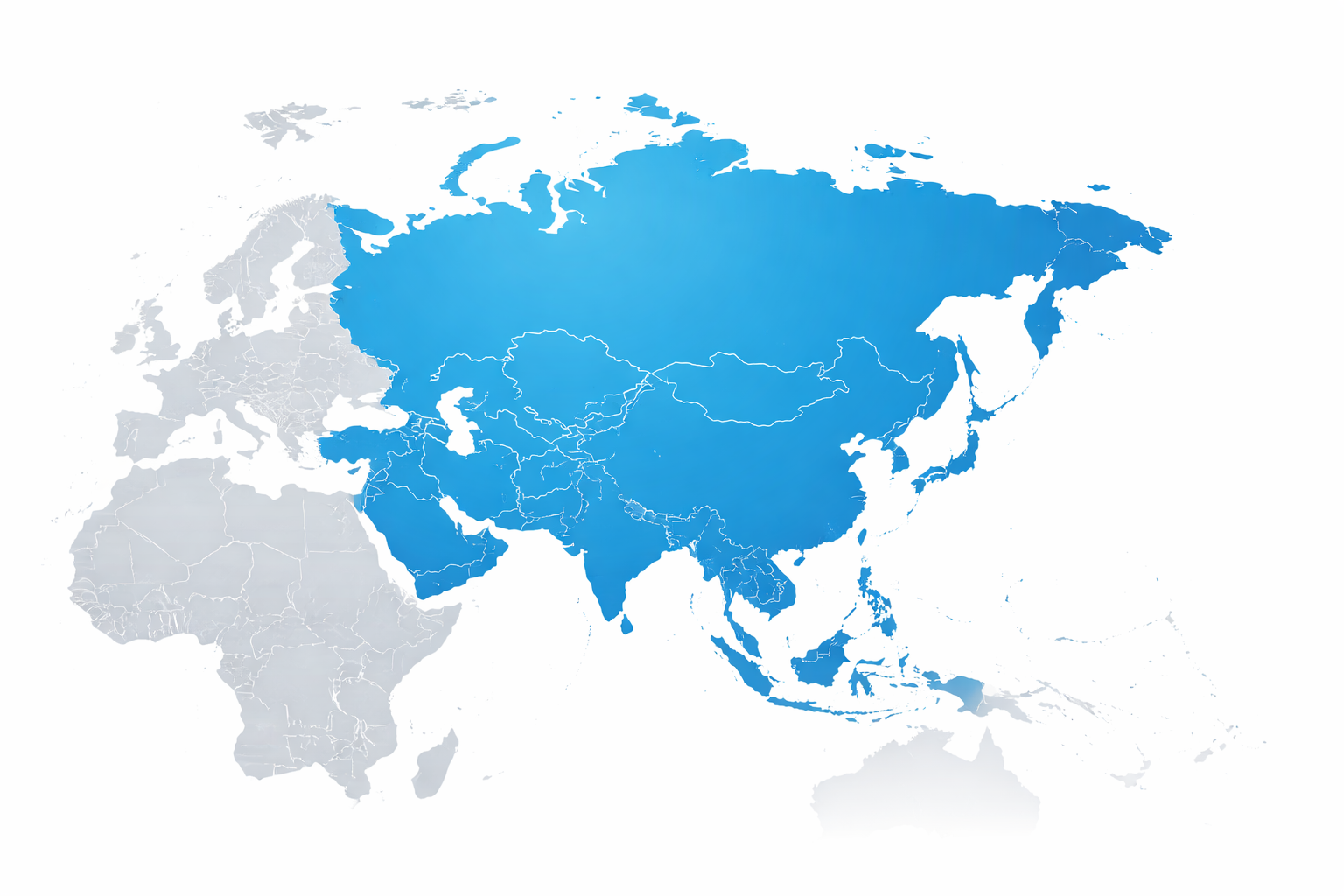
Building Sustainable Kidney Dialysis Services Across Asia
SateeGroup Corporation Co., Ltd. provides strategic leadership and operational expertise in the development, management, and optimization of professional kidney dialysis clinics. Our mission is to support healthcare systems and investors in establishing high-quality, financially sustainable dialysis services that meet international standards of patient care, compliance, and operational performance.
With over 20 years of executive experience in dialysis clinic operations, our leadership team brings deep knowledge in clinical operations, financial management, regulatory compliance, and multi-site healthcare systems.
We support partners across Asia in building dialysis centers that deliver safe, efficient, and scalable patient care services.
Healthcare Operations Executive Leadership
Dialysis Clinic Leadership | Multi-Site Operations | Financial & Regulatory Oversight
Executive Profile
Our leadership team includes seasoned dialysis operations executives with more than two decades of experience managing complex healthcare operations.
This experience includes oversight of:
• Dialysis clinic operations
• Financial and budget management
• Healthcare regulatory compliance
• Revenue cycle and billing systems
• Vendor contracting and supplier partnerships
• Cross-department clinical coordination
Our background combines finance, public administration, and healthcare operations, allowing us to design dialysis programs that balance clinical quality, operational discipline, and financial sustainability.

Operational Expertise
Multi-Site Dialysis Operations Management
SateeGroup supports the development and management of single clinics, regional dialysis networks, and multi-site healthcare operations.
Our operational services include:

Clinical Operations Support
• Dialysis clinic workflow design
• Patient scheduling and treatment management
• Coordination with nephrologists and clinical teams
• Nursing and allied health operational planning
Financial Management
• Budget development and financial planning
• Dialysis revenue cycle oversight
• Billing system implementation
• Expense management and reporting
Regulatory & Compliance Management
• Licensing and regulatory preparation
• Inspection readiness
• Healthcare policy compliance
• Operational standards development
Vendor & Equipment Management
• Dialysis machine procurement
• Water treatment system planning
• Medical supply chain partnerships
• Vendor negotiation and contracting

Dialysis Center Development Services
SateeGroup assists partners with complete dialysis center setup and operational planning, including:

Dialysis Clinic Development
• Feasibility studies
• Location and facility planning
• Operational design
• Equipment procurement guidance
Operational Systems Setup
• Clinical operations protocols
• Administrative systems
• Financial and billing systems
• Compliance documentation
Staff Coordination
• Coordination with physicians and nephrologists
• Nursing and technician operational structure
• Administrative staffing framework
Multi-Clinic Network Planning
• Regional dialysis network development
• Standardized operating procedures
• Centralized financial monitoring
• Scalable operational infrastructure

International Healthcare Operations Perspective
Our team brings experience operating within regulated healthcare environments requiring strict compliance, disciplined financial management, and coordinated clinical operations.

We work effectively with:
• Private healthcare investors
• Hospital systems
• Government health agencies
• International healthcare organizations
• Medical equipment providers
Our approach focuses on building stable operational systems that can scale across multiple dialysis clinics while maintaining consistent patient care standards.
Key Executive Contributions
Our leadership experience includes:
• Long-term operational leadership for dialysis clinic networks
• Financial oversight and budgeting for healthcare facilities
• Vendor contracting and strategic supplier partnerships
• Revenue cycle management and billing oversight
• Regulatory compliance and inspection readiness
• Coordination between physicians, clinical staff, and administrative teams
This experience allows SateeGroup to guide partners in creating efficient dialysis programs designed for long-term sustainability.

Professional Experience
Kidney Dialysis Centers – United States
Operations & Administration Leadership Responsibilities have included:
• Leading dialysis clinic operations across clinical and administrative departments
• Directing financial planning and budgeting for clinic performance
• Overseeing revenue cycle operations including billing and reimbursement monitoring
• Managing vendor contracts for dialysis equipment and medical supplies
• Guiding facilities through regulatory inspections and compliance reviews
• Coordinating operational performance with physicians and clinical leadership
Additional Leadership Experience
Healthcare Education Financial Leadership
• Managed financial operations supporting nursing and allied health programs
• Oversaw tuition revenue management and financial reporting
• Directed financial planning supporting accreditation readiness
Wellness & Leadership Development Programs
• Founded and manage a wellness retreat organization focused on leadership development and personal growth
• Responsible for program design, financial management, and strategic partnerships

Partner With SateeGroup
SateeGroup Corporation Co., Ltd. is committed to supporting healthcare organizations and investors in building modern dialysis centers that combine clinical excellence, operational stability, and financial sustainability